


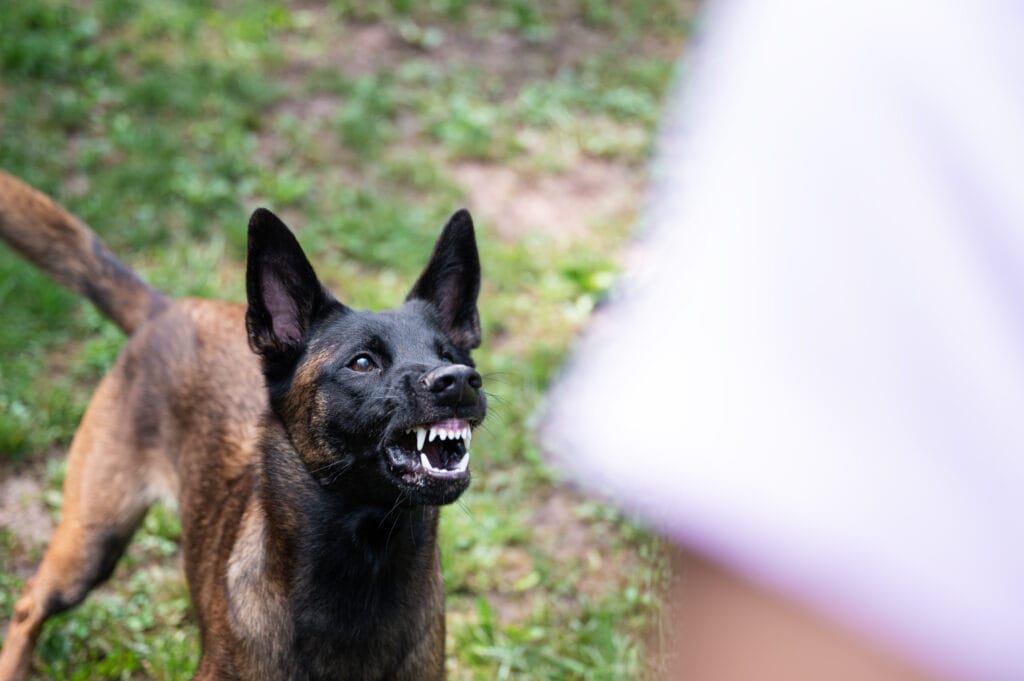
A dog bite can turn a normal day into a stressful, painful situation very quickly. In the moment, most people are not thinking about legal claims. They are thinking about bleeding, infection, whether their child is okay, and what to do next. If you or someone you love was bitten, this guide explains what to do after a dog bite in Orlando, Florida, how to protect your health, and when it may be time to speak with an Orlando dog bite lawyer.
Some dog bite injuries seem minor at first and become more serious later. Puncture wounds can become infected. Facial wounds may leave visible scars. Children are often especially vulnerable to both physical and emotional harm. Taking the right steps early can help protect both your recovery and your ability to understand your legal options.
Quick Answer: What Should You Do Right After a Dog Bite in Orlando?
- Move to a safe place away from the dog.
- Get medical care as soon as possible.
- Identify the dog and the owner if you safely can.
- Report the bite to the appropriate local authority.
- Take photos of the injuries, clothing, and scene.
- Get witness names and contact information.
- Keep all medical records and receipts.
- Be careful when speaking with insurance companies.
- Talk with an attorney if the injuries are serious, disputed, or involve a child.
If you need more direct legal guidance on your rights after a dog attack, visit our dog bite injury page for a broader overview.
1. Get to a Safe Place First
Your first priority is safety. Move yourself, your child, or anyone else injured away from the dog and out of immediate danger. Even if the dog seems calm afterward, do not assume the risk has passed. A frightened or agitated dog may bite again.
If the injuries are severe, call 911. If the attack happened in a neighborhood, apartment complex, park, sidewalk, or private property setting, put distance between yourself and the animal before doing anything else.
2. Get Medical Care as Soon as Possible
Many people wait too long to get treatment because the wound does not seem severe at first. That can be a mistake. Dog bites can cause deep puncture wounds, torn tissue, infection, nerve damage, and lasting scarring. Children may need prompt evaluation even when the wound looks small.
Wash the wound gently if you can, apply clean pressure if there is bleeding, and seek professional medical care as soon as possible. Medical records do more than document treatment. They also create a timeline of what happened and how serious the injury was.
For general medical guidance on animal bites, the Mayo Clinic’s animal bites first aid guide is a helpful starting point. The CDC’s dog safety guidance is also useful for prevention and awareness.
3. Identify the Dog and the Owner if You Can
If it is safe to do so, try to gather basic information before leaving the scene. That may include the owner’s name, phone number, address, a photo of the dog, and whether the dog has current vaccinations. Do not argue with the owner or put yourself at further risk trying to gather details.
If the owner leaves, write down anything you can remember about the dog, the person, nearby homes, or vehicles. Even small details may matter later.
4. Report the Bite
Dog bites should usually be reported to the appropriate local authority. Reporting the bite helps create an official record, may help confirm vaccination issues, and can help protect others from future harm.
If the incident happened in Orange County, review reporting resources through Orange County Animal Services. Rabies-related public health information may also be available through the Florida Department of Health rabies page.
5. Take Photos Before the Injury Changes
Photos are some of the best evidence after a dog bite. Take pictures as early as possible and continue documenting the injury over the days and weeks that follow.
- Take close-up photos of the wound.
- Take wider photos showing where the injury is located on the body.
- Photograph torn or bloodied clothing.
- Photograph the scene where the attack happened.
- Document bruising, swelling, stitches, bandages, and healing progression.
What looks minor on day one can later show infection, deeper tissue damage, or visible scarring. That timeline matters.
6. Get Witness Information
If anyone saw the incident, ask for their name and contact information. Witnesses can help clarify whether the dog was loose, whether the injured person was lawfully present, whether the animal acted aggressively before the bite, and what happened afterward.
Witness accounts can become especially important if the dog owner later changes their version of events.
7. Do Not Ignore Symptoms That Show Up Later
Some dog bite injuries are not fully understood at the scene. Over the next several days, new symptoms can appear, including redness, warmth, drainage, fever, numbness, reduced movement, worsening pain, or signs of infection. Emotional effects like anxiety, fear, sleep disruption, or distress in children may also develop after the physical injury.
This is one reason people should not minimize a dog bite just because they did not need an ambulance. Keep all follow-up records, prescriptions, and treatment instructions.
8. Be Careful When Speaking With Insurance Companies
In some cases, a homeowners insurance policy, renters insurance policy, or another liability policy may be involved. If an adjuster contacts you early, be careful. It is usually not wise to give a detailed recorded statement before you understand the full extent of your injuries.
You do not want to guess about fault, downplay what happened, or say you are fine while you are still being evaluated. A careful early approach can help prevent misunderstandings later.
9. Understand How Florida Dog Bite Law May Apply
Many people wrongly assume there is no claim unless the dog had bitten someone before. That is not always how Florida law works. Florida has a dog bite statute that may hold owners responsible when a dog bites someone in a public place or while the person is lawfully on private property.
You can review the statute here: Florida Statutes § 767.04. The details still matter, including warning signs, how the incident happened, and what the insurance company claims about fault.
If you want a more direct explanation of how these cases are approached, our dog bite attorney page gives a broader overview of the legal issues involved.
10. Special Care Is Needed When a Child Is Bitten
Dog bites involving children are often especially serious. Children are more vulnerable to facial injuries, scarring, infection, and emotional trauma. Parents should preserve photos, medical records, follow-up care notes, school disruption, counseling records if needed, and visible changes over time.
If your child was bitten, it is completely normal to feel overwhelmed. Focus on care first, documentation second, and then get clear guidance before making decisions about insurance or legal claims.
11. Keep a Simple File of Everything
You do not need a perfect legal file, but you should keep all important materials in one place:
- Photos and videos
- Medical bills and treatment records
- Discharge papers and prescriptions
- Animal control report details
- Witness names and contact information
- Receipts for out-of-pocket costs
- Missed work records
- A short written timeline of what happened
12. Know When It Is Time to Talk With a Lawyer
Not every dog bite leads to a formal legal claim. But many people benefit from getting answers early, especially when there is significant bleeding, infection, scarring, a child victim, missed work, disputed facts, or an insurance company involved.
Speaking with a lawyer does not mean you are committing to a lawsuit. It may simply mean you are getting clarity about your rights and your options. If you are comparing attorneys or trying to understand how to choose legal help thoughtfully, you may also find our guide on how to pick the right attorney for your accident helpful.
You can also learn more about attorney Andy Nguyen here: Andy Nguyen. If you are ready to speak with someone directly, use your main contact page or the call to action on our Orlando dog bite lawyer page.
Related Dog Bite Resources
If you want to understand more about how Florida dog bite claims work, these guides go deeper:
- Florida Dog Bite Law Explained: Who Is Liable After a Dog Attack?
- 5 Dog Bite Claims Florida Victims Miss
- Orlando Dog Bite Lawyer
A Calm, Practical Next Step
After a dog bite, you do not need to solve everything in one day. Start with safety. Get medical care. Report the incident. Document what happened. Then, if you are dealing with significant injury, infection, scarring, insurance issues, or uncertainty about your rights, take the next step and learn more about your options on our Orlando dog bite lawyer page.
Common Questions about Dog Bites
What should I do right after a dog bite in Orlando?
First, get to a safe place away from the dog. Then get medical care, identify the owner if you safely can, report the bite, take photos, gather witness information, and keep records of everything related to the injury.
Do I need medical treatment after a dog bite?
Many dog bites should be medically evaluated even if they seem minor at first. Puncture wounds, infection, nerve damage, and scarring are easy to underestimate in the first few hours.
Should I report a dog bite in Orlando or Orange County?
In many situations, yes. Reporting the bite helps create an official record, may help address public safety concerns, and can be important if there are later questions about vaccinations or what happened.
Can I still have a claim if the dog never bit anyone before?
Possibly, yes. Florida dog bite law does not always depend on whether the dog had a prior history of biting. The specific facts still matter, including where the bite happened and whether the injured person was lawfully on the property.
Who pays for a dog bite injury in Florida?
That depends on the facts. In some cases, a homeowners or renters insurance policy may be involved. In others, liability may rest more directly with the dog owner.
What should I do if my child was bitten by a dog?
Get medical care right away, report the incident, photograph the injury, preserve all records, and continue documenting healing and emotional effects over time. Child dog bite injuries often require especially careful follow-up.